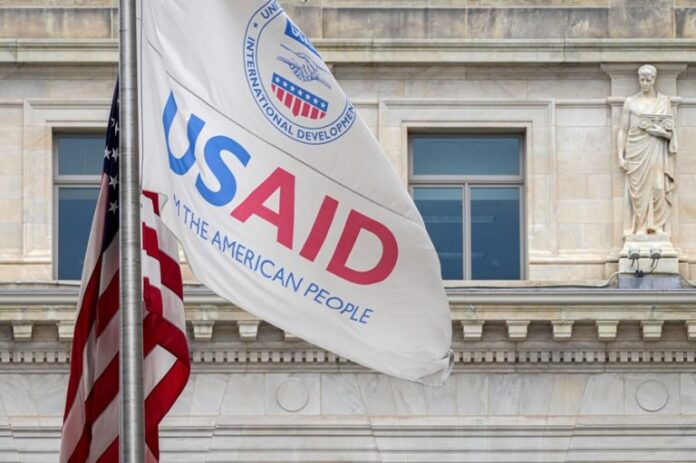
There has been pushback against the U.S. government’s decision to incinerate 500 tons of high-energy, nutrient-dense biscuits designed for rapid nutrition delivery in emergencies. When the information became public earlier this year, the State Department said the biscuits expired, and it was “a matter of whether or not it’s safe to distribute”.
The food was destroyed in July “at considerable cost”, and yet it could easily and safely have been donated to the UN’s World Food Program or a willing humanitarian organization, writes Professor Eric Reeves, a senior fellow at Harvard University’s François-Xavier Bagnoud Center for Health and Human Rights.
Reeves said that given the previous disposition of U.S. President Donald Trump towards Africa, he could hardly be expected to care about the impact of his administration’s decision, including the freeze on USAID programs earlier in his second term.
The region, the professor said, is already beginning to endure the dire consequences of the aid cut, especially the “freeze on USAID Funds for HIV/Aids treatment programs”. He cited a report by The Lancet, which said USAID cuts “could result in more than 14,051,750 additional all-age deaths…by 2030”.
Professor Reeves said if the incinerated food supplies had landed in the hands of WFP or a relief organization, it would become “fungible” and could target any area where most needed.