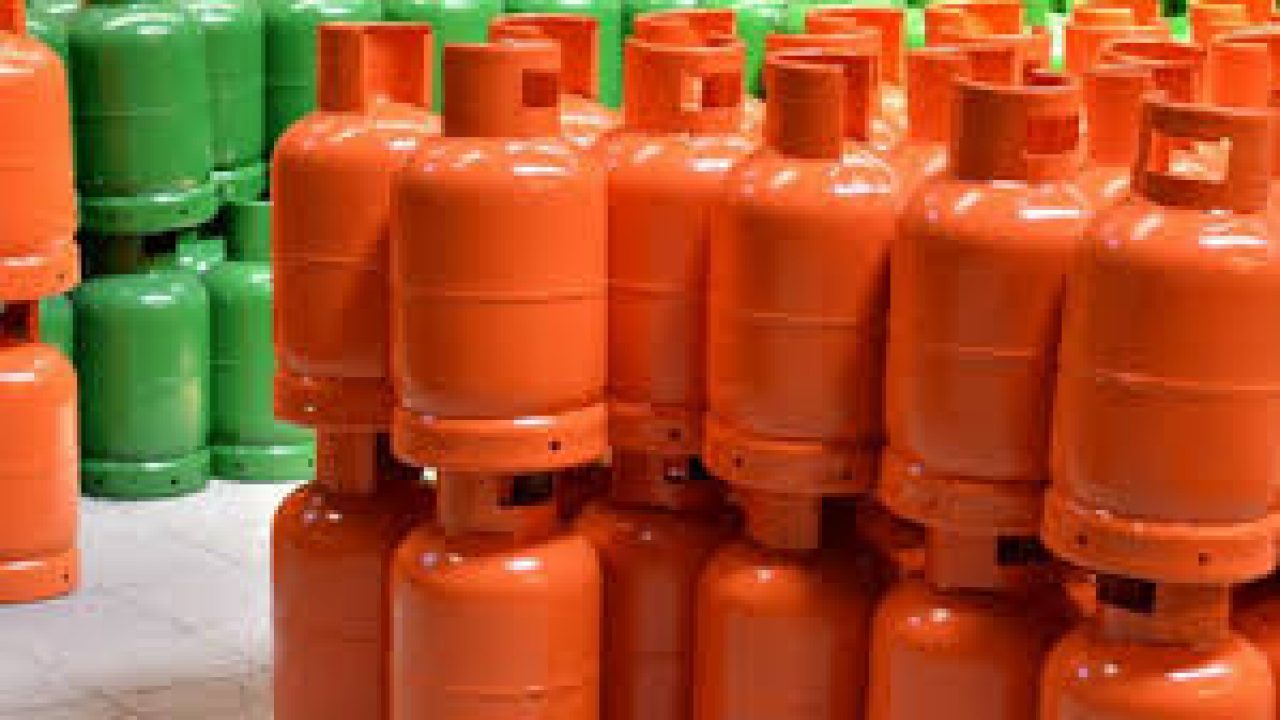
Rising global liquefied petroleum gas (LPG) prices and ongoing supply disruptions linked to the Middle East crisis are putting pressure on clean cooking expansion efforts across Africa, with Nigeria and other major markets facing growing affordability challenges, industry stakeholders have warned.
Speaking at the ongoing yearly conference of the African Refiners and Distributors Association (ARDA) Week in Cape Town, South Africa, Managing Director of Rainoil Gas Limited, Emmanuel Omuojine, said Nigeria’s LPG market may fail to meet expansion projections as prevailing economic realities and a 60 per rise in prices block access for vulnerable households.
He noted that Nigeria currently consumes about 1.6 million metric tonnes of LPG yearly, less than one per cent, despite its large population and natural gas reserves.
Per capita consumption has increased from 2.5 kilogrammes a decade ago to about 6.5 kilogrammes, but remains far below the global average of approximately 43 kilogrammes, he noted.
Coming amid a push by the U.S. Department of Energy at the conference, for reframing of clean cooking as an energy infrastructure in Africa, Omuojine said Nigeria should be targeting at least three million metric tonnes of consumption in the next few years.
However, he warned that affordability remains the central barrier, especially as global LPG prices have risen sharply in recent weeks.
Omuojine said households are increasingly unable to afford full cylinder refills, forcing many to purchase smaller quantities or maintain spending levels despite higher prices, effectively reducing consumption and slowing market growth.
He added that Nigeria has multiple policy frameworks, including the National Gas Expansion Programme, the Decade of Gas initiative, and the Gas Flare Commercialisation Programme, alongside infrastructure financing mechanisms such as the Midstream and Downstream Gas Infrastructure Fund, but stressed that implementation remained the weakest link.
Secretary’s Lead for Global Clean Cooking Access, U.S. Department of Energy (DOE), Shiyana Gunasekara, called for a shift in how clean cooking is framed globally.
She said clean cooking should be treated as an energy infrastructure and market development issue rather than purely a public health or environmental challenge.
Gunasekara stressed that affordability, supply chains and infrastructure are central to expanding LPG access, noting that the U.S., as the world’s largest LPG exporter, has a strategic interest in developing new markets, particularly in Africa.
She outlined a three-part approach involving bilateral engagement with African governments, multilateral advocacy through global platforms such as the G7 and G20 and project-level financing support through U.S. institutions, including the Development Finance Corporation and Export-Import Bank.
Senior Vice President – Argus Media, David Appleton, pointed to severe global supply disruptions, stressing that nearly 30 per cent of seaborne LPG exports from the Middle East have been disrupted for weeks, pushing benchmark prices from around $600 per tonne to above $1,000 per tonne.
Director and Lead for Africa, Latin America, Europe at S&P, Fernando Covas, said global LPG shipments have fallen by about 1.6 million tonnes compared to previous years, with transit constraints in key routes such as the Strait of Hormuz tightening supply further.
He noted that while Africa imports relatively small volumes directly from the Middle East, it remains highly exposed to global pricing shocks.
“The impact on Africa is primarily through pricing, not physical shortages,” he said.
Also, Chief Executive of PayGas, Philippe Hoeblich, warned that affordability constraints across Africa reflect what he described as a “poverty wall”, where households are only able to purchase energy in very small daily amounts.
He said field studies across countries, including the Democratic Republic of Congo, Cameroon and Gabon, show that energy poverty is worsening, with households increasingly dependent on charcoal, wood and kerosene due to limited purchasing power.
Hoeblich said the dilemma for most households is whether to insist on full LPG cylinder purchases or allow flexible, smaller refills aligned with daily incomes, often around $4.
He said affordability must be central to policy design as it directly determines adoption levels.
He identified two main LPG distribution models. The first, the cylinder recirculation system, is widely considered safe and effective but highly capital-intensive, requiring multiple cylinders per household and significant infrastructure investment.
He noted that the expansion of this model often depends on subsidies, which can strain public finances.
The second model allows flexible refilling, enabling consumers to purchase LPG in smaller quantities.