The capital expenditure by 26 state governments plunged by N2.19tn within three months in the first quarter of 2026, raising concerns over slowing infrastructure development and worsening fiscal pressures as politics for next year’s elections intensifies.
An analysis of quarter-on-quarter financial reports published on the official websites of the states showed that total capital expenditure fell by N2.20tn, representing a 58.1 per cent decline, from N3.79tn recorded in the fourth quarter of 2025 to N1.59tn in the first quarter of 2026.
Similarly, a breakdown of state government expenditure between January and June 2025 showed that 31 states collectively spent N2.75tn, averaging N1.38tn on capital projects during the six-month period.
The sharp contraction comes amid growing political activities and early alignments ahead of the 2027 general elections, a period analysts say could increasingly shift government attention from long-term infrastructure investments to political calculations and recurrent spending.
The data were obtained by our correspondent in Abuja on Sunday from quarterly budget implementation and financial performance reports uploaded on the official websites of the states.
The figures gathered and analysed by our correspondent indicate a decline of N2.19tn, representing a 57.9 per cent drop within three months, highlighting a slowdown in infrastructure and development spending across many states.
The findings are against the backdrop of a PUNCH report that the external debt of 32 states and the Federal Capital Territory climbed to nearly $5.7bn in fresh loans in 2025, pushing subnational foreign debt sharply higher year-on-year despite increased inflows from Federation Account Allocation Committee allocations.
The data showed that only one state, Oyo, recorded a significant increase in capital expenditure during the period under review, while most states posted sharp declines in spending.
It is meant for building and improving facilities such as roads, schools, hospitals, water projects, housing, electricity infrastructure, public transport systems, and other major projects that support economic growth and public welfare. The aim is to create assets that improve living conditions, attract investment, create jobs, and boost economic activities within the state.
An increase in capital expenditure means more investment in critical infrastructure aimed at improving the welfare of the people, while a reduction indicates slower infrastructure development and fewer completed projects.
Out of the 36 states, only 26 had uploaded their financial data as of the time of filing this report, while 10 states had yet to publish their first-quarter financial performance reports.
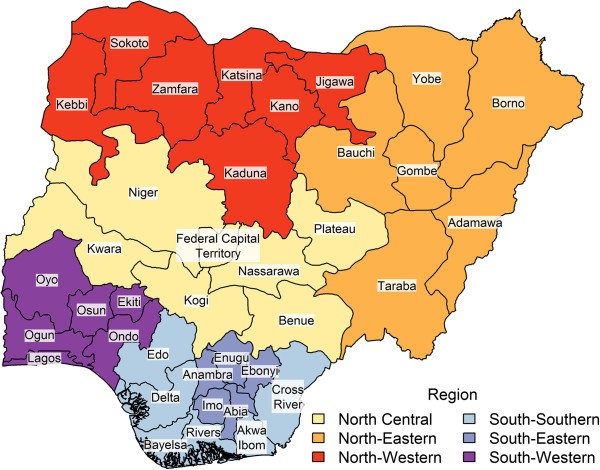
The states that published their financial data are Adamawa, Akwa Ibom, Bauchi, Bayelsa, Benue, Borno, Cross River, Ebonyi, Ekiti, Enugu, Gombe, Jigawa, Kaduna, Kano, Katsina, Kebbi, Kogi, Kwara, Lagos, Niger, Ondo, Oyo, Sokoto, Taraba, Yobe, and Zamfara.
The states whose data were unavailable are Abia, Anambra, Delta, Edo, Imo, Nasarawa, Ogun, Osun, Plateau, and Rivers.