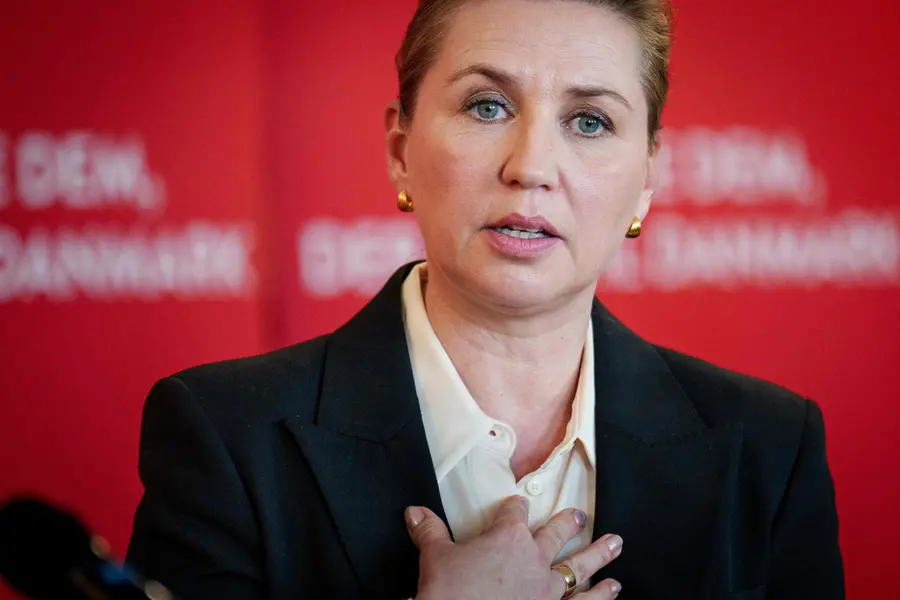
Danes vote on Tuesday in a closely contested general election, with Prime Minister Mette Frederiksen seeking a third term amid heightened tensions over U.S. interest in Greenland.
Frederiksen, leader of the Centre-left Social Democrats, has been seen as the frontrunner after taking a firm stance against U.S. President Donald Trump’s repeated calls to annex Greenland, an autonomous Danish territory, according to a France 24 report.
While the dispute over the Arctic Island has drawn international attention, the election campaign has focused largely on domestic issues including the cost of living, immigration and the environment.
Opinion polls suggest a narrow lead for the Centre-left bloc over the right, though neither side is expected to secure a majority in the 179-seat parliament.
“The future composition of the government is very uncertain, but it is likely that we will end up with Frederiksen as head of government,” political analyst Elisabet Svane told Danish newspaper Politiken.
Polling stations opened at 8:00 a.m. local time (0700 GMT) and are set to close at 8:00 p.m., with exit polls expected shortly after and final results due later in the evening.
Seats held by Denmark’s autonomous territories — Greenland and the Faroe Islands — could prove decisive if the vote is close. The centrist Moderates party, led by Foreign Minister Lars Lokke Rasmussen, may also play a key role in coalition negotiations.
In Greenland’s capital Nuuk, the election has drawn heightened interest, with more than 20 candidates running. Some political figures have called for independence from Denmark, though approaches differ among parties.
“Due to the fact that the U.S. has shown such aggression, there is greater interest in pushing Greenland’s perspective in the Danish parliament,” Greenland’s Business Minister Naaja Nathanielsen said.
In Denmark itself, however, the campaign has largely centered on domestic concerns. Immigration remains a key issue, with the Social Democrats advocating stricter policies, while right-wing parties have proposed tighter residency rules.
Frederiksen has defended tougher measures, including restricting access to certain public services for individuals who threaten public workers.
The outcome is expected to shape Denmark’s political direction at a time of regional and global uncertainty.