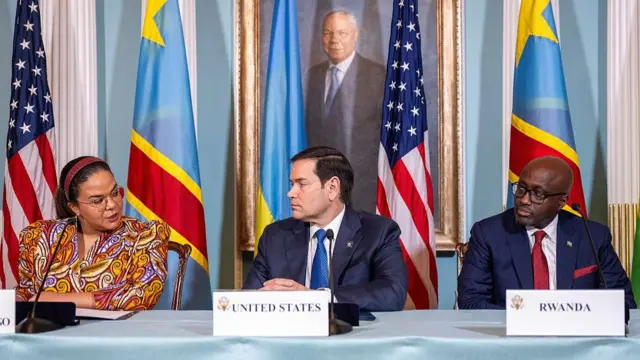
Peace in the northeastern Democratic Republic of the Congo remained elusive as diplomatic efforts repeatedly stalled, with brief moments of progress quickly overshadowed by setbacks.
Despite a symbolic handshake between DR Congo President Félix Tshisekedi and Rwanda’s Paul Kagame in October, analysts, including Timo Roujean of the Konrad Adenauer Foundation, viewed such gestures as empty rhetoric amid unresolved questions about any potential peace deal.
Tensions escalated as M23 rebels, backed by Rwanda, expanded control across North and South Kivu, casting doubt on a planned Washington meeting meant to finalise a US-brokered agreement. Accusations intensified: Kagame claimed the DRC was stalling the peace process, while Congolese officials demanded stronger international pressure and sanctions against Rwanda for supporting M23, claims Kigali continued to deny. The closure of Goma airport, among other humanitarian access disputes, deepened mistrust.
Both sides traded blame and conditions, but analysts warned that issues like banking access in rebel-held towns were being used as leverage instead of being addressed pragmatically. By late November, hopes for a breakthrough dimmed, with Kagame saying only that he would “wait and see” ahead of the uncertain Washington talks.