Ghana on Thursday held a landmark global conference seeking to translate growing political support for slavery reparations into practical commitments towards justice.
The United Nations in March adopted a landmark resolution that recognised that the transatlantic slave trade was “the gravest crime against humanity”.
Since the adoption of the resolution in March, the campaign for reparatory justice has gathered “unprecedented momentum”, said Ghana’s Foreign Minister Samuel Ablakwa.
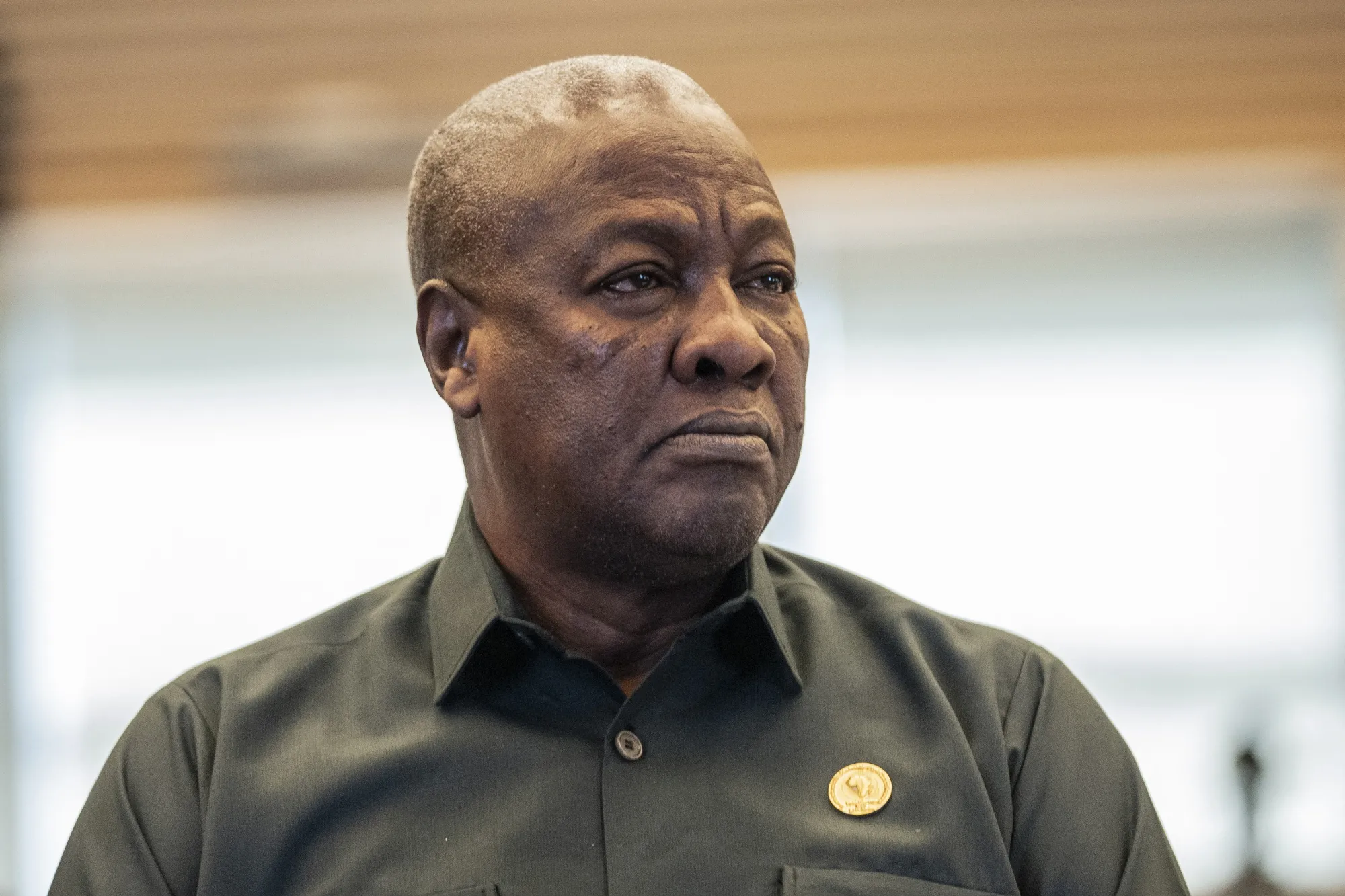
While non-binding, the resolution — pushed for by Ghanaian President John Mahama — goes beyond simple acknowledgement and asks nations involved in the slave trade to engage in restorative justice.
“We won the battle against slavery, we won the battle against colonialism, we won the battle against apartheid, and we are confident that we shall win the battle against reparatory injustice,” Ablakwa told the opening session of the conference.
The adoption of the UN resolution marked the strongest endorsement yet by the international community of the case for reparations, garnering the support of 123 UN member states.
Since then, French President Emmanuel Macron has endorsed the symbolic repeal of royal decrees that governed slavery in French colonies.
The French were the third-largest slave traders in Europe, after the British and the Portuguese.
Pope Leo XIV last month issued an apology for the Catholic Church’s centuries-long delay in condemning slavery, calling it “a wound in Christian memory”.
“The growing international support for these conversations demonstrates that reparatory justice is no longer a peripheral issue,” Ghana’s foreign minister said at the start of the conference.
Once considered a hub of transatlantic slavery, the West African country is now “transitioning from being a crime scene to a sanctuary for healing and reparative justice”, Ablakwa said.
Ghana has been at the forefront of connecting people in the diaspora to Africa, with more than 1,000 people claiming Ghanaian citizenship in recent years.
The line-up of speakers at the three-day event includes the leaders of Barbados, Sierra Leone, Senegal, Namibia and Liberia, alongside Nigerian Nobel Prize in Literature winner and global rights activist Wole Soyinka.