Net migration to the UK has dropped below 200,000 to the lowest point since the Covid pandemic, driven by fewer people coming to Britain for work, new figures show.
The latest Office for National Statistics (ONS) figures show that, in the 12 months to December 2025, the number of people entering a country minus the number of people who leave each year, was an estimated 171,000. This is down 48 per cent year on year from 331,000 in 2024.
Net migration peaked at 944,000 in 2023 but has fallen sharply since then, driven by fewer people coming to Britain for work or study. Excluding the Covid pandemic, when international travel was halted around the world, the last time that net migration to the UK was this low was in 2012.
Net migration to the UK reached 193,000 in the year to March 2018, and was at 157,000 in the year to September 2012. During the Covid pandemic, net migration estimates crashed to around 35,000.
The continued fall in net migration is being driven by fewer people from outside the EU arriving in the UK for work, the ONS said. These numbers fell by 47 per cent in 2025.
The drop in those from outside the EU arriving for study or work was prompted by decisions taken under the Conservatives, and continued under Labour, to stop care workers and overseas students from bringing family members to the UK, as well as raising the salary requirements for some visas.
Restrictions have also been added to the skilled worker visa, making it harder to get the right to work in the UK in certain lower-skilled professions.
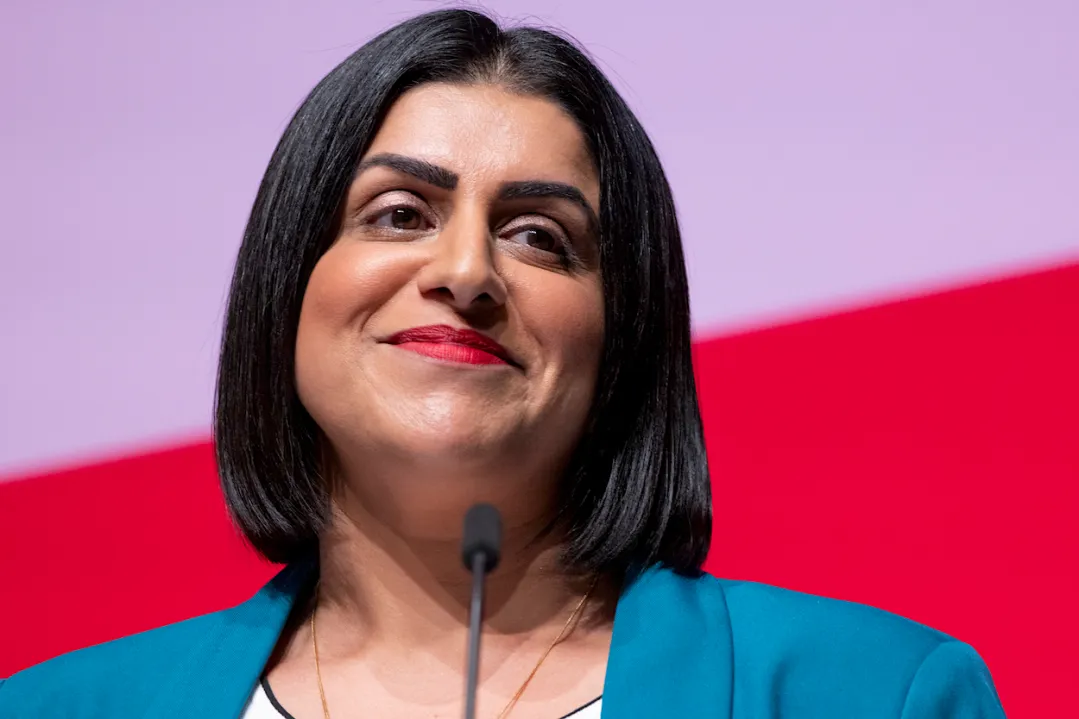
Home secretary Shabana Mahmood responded to the statistics, saying: “Net migration has fallen by 82 per cent in just three years. We will always welcome those who contribute to this country and wish to build a better life here. But we must restore order and control to our borders.”
She added that net migration figures show that “real progress has been made, but there is still work to do”.
ONS deputy director Sarah Crofts said: “Net migration continues to fall and is at levels last seen in early 2021 – when the new immigration system was introduced and Covid-19 pandemic travel restrictions were still in place. The recent decrease is being driven by fewer people arriving from outside the EU, particularly for work.
“While emigration had been increasing, there are early signs it may now be starting to fall, though it is too soon to say whether this will continue.”
Responding to Thursday’s net migration statistics, shadow home secretary Chris Philp said that “non-EU immigration remains far too high”, adding: “Mass immigration undermines our society and low wage immigration is bad for the economy.”
He urged Labour to “go further” and pledged that the Tories would “introduce a binding annual immigration cap at a very low level”.
The total foreign-born population has increased by 2.4 million since the last census and now makes up 19 per cent of the population, analysis by the Migration Observatory at the University of Oxford found.
A record number of people have also applied for UK citizenship, with more than 300,000 applying in the year to March 2026.
Dr Nuni Jorgensen, Researcher at the Migration Observatory, said: “An increase in citizenship grants was always expected because non-EU migration rose in the late 2010s and these people are now becoming eligible for citizenship.
“However, the increase has been sharper than anticipated, particularly among US and EU citizens. One potential reason is the heavy publicity around government and opposition plans to restrict permanent status and citizenship.”
Further data published by the Home Office on Thursday showed that the number of people claiming asylum has fallen by 12 per cent in the year to March 2026, to 94,000. The grant rate for asylum claims has fallen from 49 per cent last year to 39 per cent currently.
Asylum seekers are also being moved out of hotels, with around 21,000 asylum seekers now in this type of Home Office accommodation – down 35 per cent on a year before.