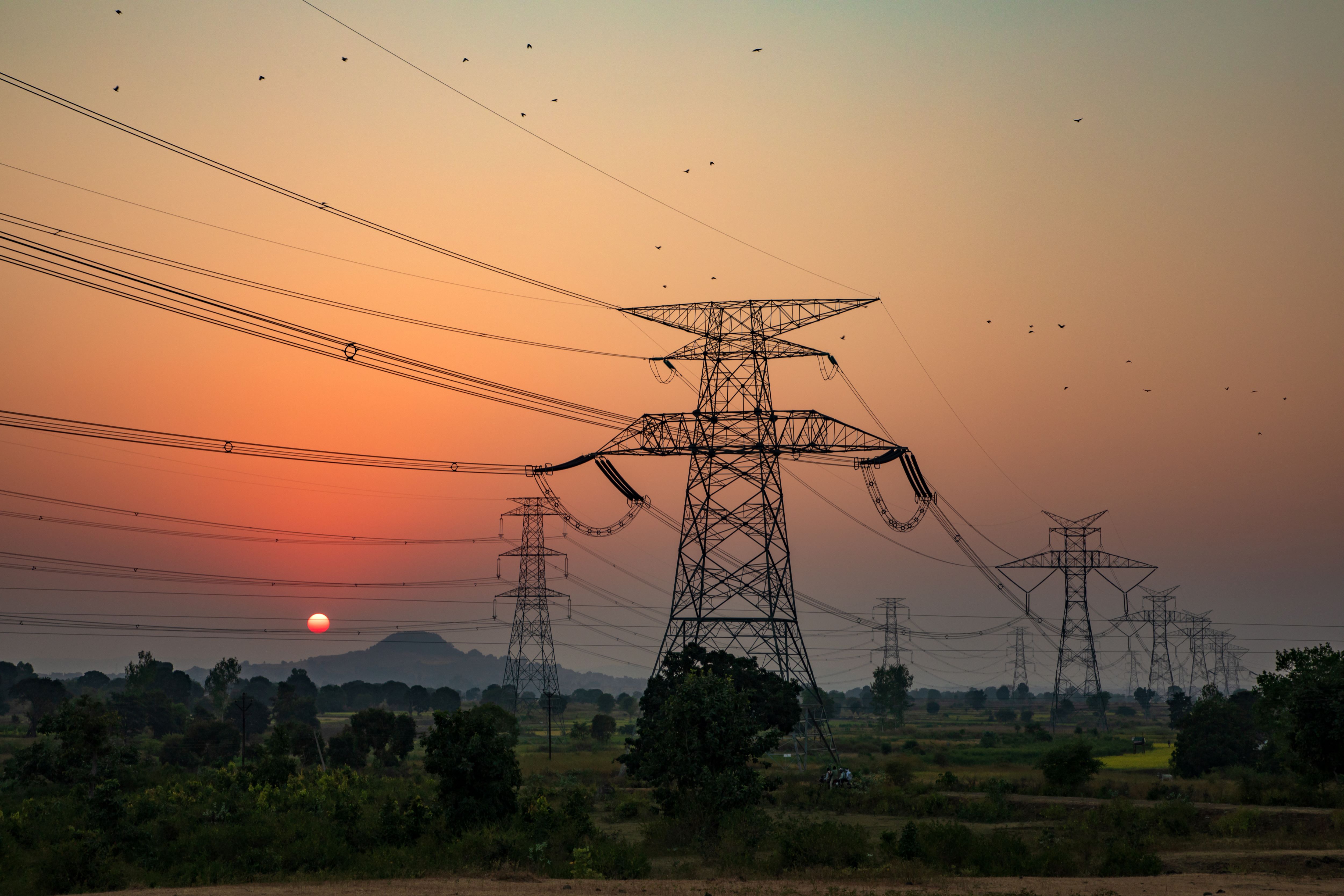
Two years after the introduction of Band A classification, which raised tariffs by over 300 per cent, leading to N2.4 trillion revenue to augment capital market funding, Nigerians continue to decry worsening power supply.
This comes amid concern over a fresh tariff hike in Lagos. The state has taken a lead in the push by sub-national entities to create pricing regimes and commercial frameworks, supported by the Electricity Act, even as it opposed the subsidy regime, with an argument to treat electricity as a pure economic service.
The new regimes could see consumers paying 100 per cent for the cost of electricity – an idea tested with the introduction of the band A framework.
Figures from the Nigerian Electricity Regulatory Commission (NERC) showed that Nigerians have paid an additional N1 trillion in electricity tariffs yearly since the multi-year tariff order (MYTO) introduced a service-based, cost-reflective tariff of over N230 per kilowatt-hour.
The additional revenue inflow in the past two years totalled N2 trillion. Another N501 billion was raised earlier this year from the capital market to increase power efficiency.
While the NERC has increased the number of Nigerians on Band A by over 60 per cent in the last two years, data obtained from the Nigerian Independent System Operator (NISO) yesterday showed that average electricity generation hovers around 4,200 megawatts, while the 11 distribution companies (DisCos) and the state utility companies ration about 3,618MW.
This suggests that while consumers are forced to pay more and state governments are stepping up with regulation, the capacity to meet demand stagnates, leading end-users to pay more for less.
Latest data from the Nigerian grid shows that total electricity allocation to distribution companies stood at 3,618MW as of 5 p.m. yesterday, showing the continued strain on supply nationwide.
Abuja DisCo received the highest allocation at 634MW, closely followed by Ikeja DisCo at 627MW and Eko DisCo at 535MW, reflecting relatively stronger supply to major commercial hubs.
Ibadan DisCo was allocated 396MW, while Benin and Enugu DisCos received 268MW and 257MW , respectively.
In the northern region, Kaduna, Kano and Jos DisCos recorded more modest allocations of 209MW, 224MW, and 187MW, highlighting persistent regional disparities. Port Harcourt DisCo received 231MW, while Yola DisCo had the lowest allocation at just 50MW, pointing to acute supply limitations in parts of the North-East.
Amidst an efficiency crisis, the Lagos Government is offering new licences to investors, leveraging the new Electricity Act. But it hinted at the possibility of an electricity tariff increase, unlike the subsidised model deployed by the Federal Government.
Six years ago, NERC introduced the service-based tariff (SBT), classifying consumers under bands A to E. Two years ago, Band A feeders, which were promised a minimum of 20 hours of electricity daily, were decoupled from the subsidy scheme and charged full cost recovery, pushing the end-user tariff from about N68 per kilowatt-hour to over N200/kWh.
Two years later, market reports from Lagos, Abuja, Ibadan, Osogbo and Ede indicate that while tariffs remain elevated, output in many Band A areas frequently falls below the minimum threshold prescribed under the tariff structure.
The development has intensified concerns over weak regulation, underperforming feeder categorisation and what stakeholders increasingly describe as a widening electricity inequality system where Nigerians are charged for services not delivered.
In parts of Osogbo and Ede, consumers told The Guardian that the guaranteed minimum 20-hour electricity supply exists mostly “on paper”.
Residents complained that despite paying premium rates, outages lasting several hours daily are common.
A resident in Osogbo, Adeyemi Aderemi, said electricity supply in his area fluctuates heavily despite continued premium billing.
“We were told the band A meant almost constant light. But what we are seeing now is far from that. Some days, we barely get 10 to 12 hours,” he said.
Another resident in Ede says the subscribers only “pay more for disappointment”.
“The 20 hours are only on paper. Once there is a grid issue or load shedding, everything collapses, but the billing remains the same,” the resident added.
The Lagos State Electricity Regulatory Commission (LASERC), in its 2025 electricity market report, confirmed key concerns around service delivery in Lagos. It revealed that under the band A category, Excel Distribution Limited achieved only 33.8 per cent compliance, while IE Energy Lagos recorded just 20 per cent.
“This means that well over half of band A consumers are billed at premium rates without receiving the minimum service levels,” the Commission said, describing the situation as a serious consumer protection issue requiring urgent action.
The report also highlighted infrastructure gaps, with IE Energy Lagos recording 552 overloaded transformers, compared to 189 for Excel Distribution, despite serving fewer customers.
Lagos State Commissioner for Energy and Mineral Resources, Biodun Ogunleye, acknowledged that unreliable operational data remains a major regulatory challenge. He said the state is deploying technology to independently monitor feeder performance, reducing reliance on customer complaints.
“When fully deployed, we will automatically detect supply shortfalls and direct DisCos to act,” he said.
Ogunleye also signalled plans to phase out the tariff banding system, with a long-term goal of achieving a near 24/7 electricity supply across Lagos.
However, this transition may come with higher tariffs, as the state moves towards a subsidy-free electricity market. Ogunleye stressed that Lagos intends to operate a fully commercial model where all players across the value chain are paid, ruling out subsidies.
“There is no subsidy in Lagos,” he said, noting that the policy aligns with the directive of Gov. Babajide Sanwo-Olu.
He added that the state is engaging federal authorities to secure competitive gas pricing for power generation, expressing confidence that a stable, well-metered system could significantly reduce Nigeria’s overall electricity subsidy burden.