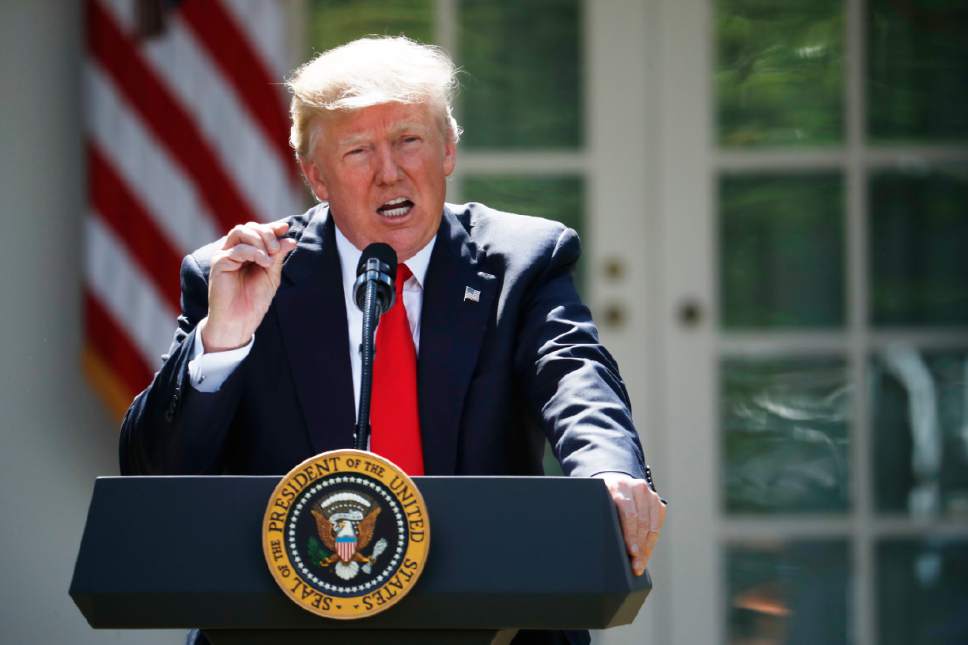
US President Donald Trump заявил that China has agreed to refrain from supplying weapons to Iran, as he pledged to ensure the permanent reopening of the Strait of Hormuz, a critical global النفط transit route. His comments come amid rising tensions in the Middle East and concerns over energy security affecting markets including Türkiye.
Trump indicated that the understanding with Beijing was part of broader coordination efforts, suggesting improved US-China dialogue ahead of his scheduled visit to Beijing on May 14–15. The trip will mark his first official visit to China since beginning his second term, with a meeting planned with President Xi Jinping.
The US administration recently imposed a naval blockade on the Strait of Hormuz following stalled negotiations with Iran in Islamabad. The measure, which took effect earlier this week, aims to pressure Tehran amid ongoing regional conflict while safeguarding maritime routes vital for global oil shipments.
Trump indicated that the understanding with Beijing was part of broader coordination efforts, suggesting improved US-China dialogue ahead of his scheduled visit to Beijing on May 14–15. The trip will mark his first official visit to China since beginning his second term, with a meeting planned with President Xi Jinping.
The US administration recently imposed a naval blockade on the Strait of Hormuz following stalled negotiations with Iran in Islamabad. The measure, which took effect earlier this week, aims to pressure Tehran amid ongoing regional conflict while safeguarding maritime routes vital for global oil shipments.
In public remarks, Trump emphasized the benefits of collaboration with China, stating that both countries are working together effectively. “We are working together smartly, and very well,” he said, while also underlining US military strength if needed. He added a personal note about his anticipated meeting with Xi, saying the Chinese leader would استقبال him warmly.
The Strait of Hormuz remains a strategic chokepoint connecting الخليج oil producers to international markets, including Europe and Asia. Any disruption has direct consequences for energy-importing countries such as Türkiye, which closely monitors developments in the region due to its dependence on stable oil flows and trade routes.